About Me
Deem Alrashed
Student at PSU
I am a passionate engineering student committed to growing my technical knowledge and building strong professional connections as I embark on my career.

Is AI Taking Engineering Jobs?
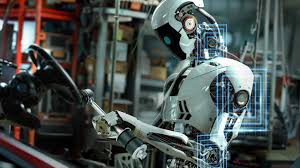
There is no doubt that every day we are seeing advances in AI and new ways that it has been integrated into our daily routine. If you have a question like “How much water should I be drinking?”, “How old is this building in my hometown?”, or “Write me code that does this task,” AI can often provide an answer in seconds.
So what is next?
As engineers, this can sound intimidating. What if AI becomes advanced enough to take over jobs that engineers currently do? What if design software becomes fully automated, testing becomes AI-driven, or project management is handled entirely by algorithms?
While these concerns are understandable, I do not believe AI is stealing engineering jobs. Instead, I think AI is changing the way engineers work and creating a future where engineers and AI work together.
AI can already help engineers complete repetitive tasks faster. In design departments, AI can improve PCB layouts, optimize CAD models, and identify possible issues before a product is built. This can save time and reduce errors, especially in large projects where engineers must compare many design options.
In testing and quality departments, AI can help analyze data more quickly than humans. Engineers often work with large amounts of information from sensors, test equipment, and prototypes. AI can recognize patterns, detect unusual behavior, and predict failures before they happen. This could be especially valuable in fields like manufacturing, healthcare technology, and data centers where reliability is important.
AI can also help project managers and operations teams. It can improve scheduling, track budgets, forecast delays, and organize project documentation. In manufacturing departments, AI can monitor production lines and help reduce waste. In maintenance departments, predictive maintenance systems can identify when machines may fail before expensive downtime occurs.
Even with these benefits, AI is not the face of engineering because engineering is about much more than data. Engineers must think critically, communicate with teams, understand customer needs, and make ethical decisions. AI cannot replace human creativity or the ability to solve unexpected real-world problems. For example, if a project fails, an engineer must decide how to redesign the system, work with a team, and explain the issue clearly. AI can provide suggestions, but people still make the final decisions.
Another reason AI will not fully replace engineers is because AI systems are not always correct. They depend on the quality of the data they receive. If the data is incomplete or inaccurate, the AI may produce poor recommendations. Engineers are still needed to verify results and ensure systems are safe, effective, and reliable.
I believe the future of engineering will involve engineers working alongside AI rather than competing against it. The engineers who succeed will be the ones who know how to use AI tools while still relying on their own technical knowledge, communication skills, and creativity.
Sources
- “The Future of Jobs Report 2025.” World Economic Forum. https://www.weforum.org/reports/the-future-of-jobs-report-2025/
- “AI in Engineering: Trends, Challenges, and Opportunities.” IBM. https://www.ibm.com/think/topics/ai-engineering
- “Predictive Maintenance and the Future of Manufacturing.” Deloitte. https://www2.deloitte.com/us/en/pages/operations/articles/predictive-maintenance.html
- “How Artificial Intelligence Is Transforming Engineering.” Autodesk. https://www.autodesk.com/design-make/articles/artificial-intelligence-engineering
- “Engineering in the Age of AI.” McKinsey & Company. https://www.mckinsey.com/capabilities/mckinsey-digital/our-insights/the-state-of-ai